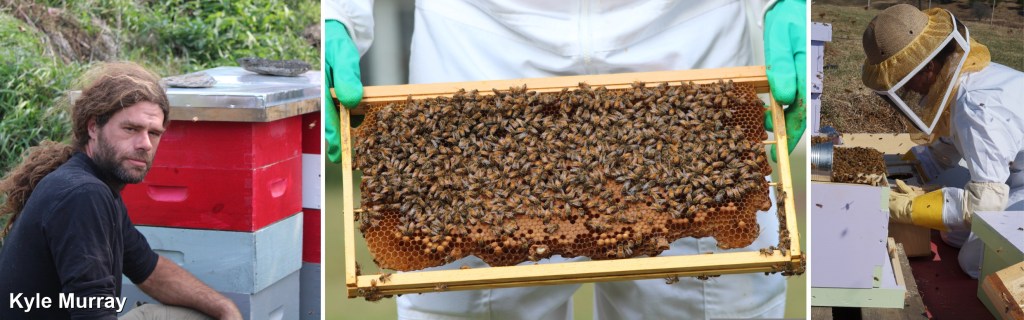
Editorial By: Kyle Murray | Third Generation Beekeeper
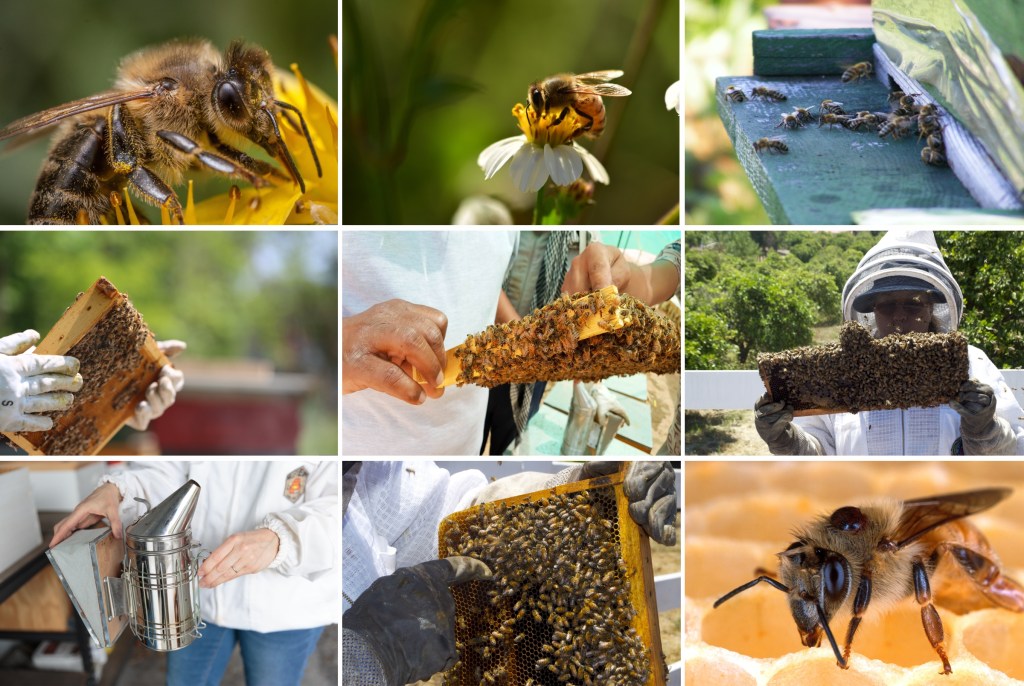
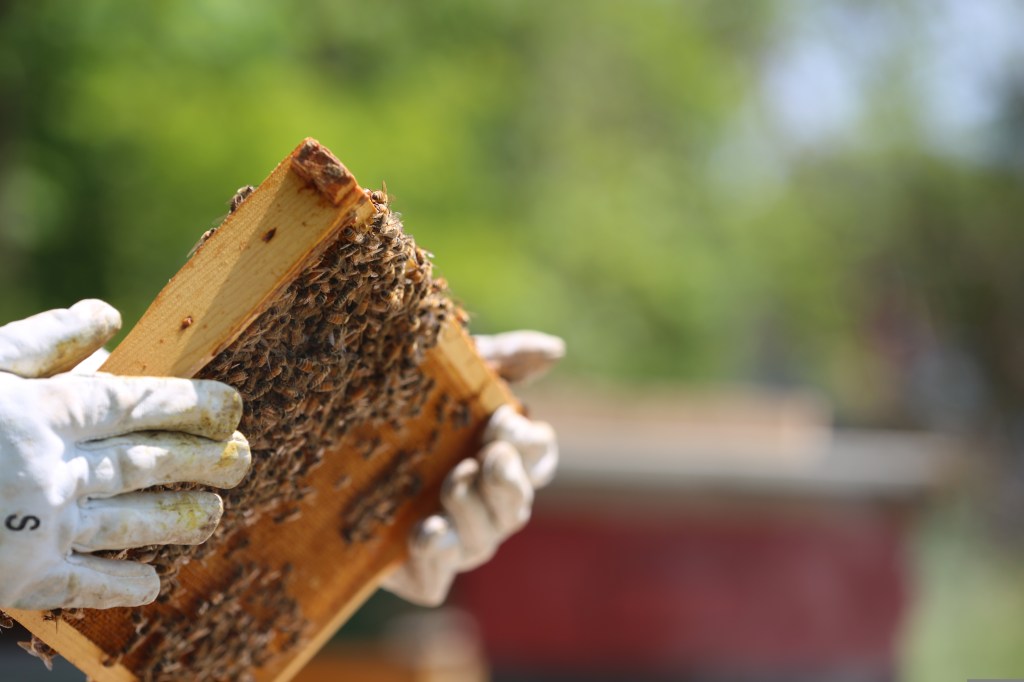
I remember sitting around the kitchen table as a child with beehive boxes stacked on the floor next to me. Each box contained nine wooden frames and each frame was heavy with honeycomb. On the table was a bucket full of hot water with the handles of long knives visible through the steam. One of my elders would grab one of these in exchange for a cold knife and guide its heated blade to run smoothly through the thin wax layer that coats the honeycomb, releasing the sticky golden treasure to begin flowing downward to be collected in our honey jars. This process was memorable because of how the children and adults would all work together to extract and process the honey, just as the bees worked together to create it. Perhaps this was partially why it tasted so sweet.
I remember the especially long, cold winter that killed my father’s two remaining bee colonies. For years, honeybee populations were in decline across the western world. The experts cited many reasons, including the decrease in habitat, the increase in the use of insecticides, the introduction of new pests, and other factors. Whatever the reasons, keeping bees alive has been more challenging since the 1980s.
I started keeping honeybees because my father told me to. I knew a little about the job, but not enough. A neighbour who kept bees was patient enough to take me under their wing and teach me the fundamentals. Beekeepers are good that way; we usually want each other to succeed. I’ve learned that much of the time it’s best to leave our bees alone, but to have a decent chance to survive and hopefully thrive they do benefit from our support.
I have learned how to provide my bees with a home in a good location and to increase the size of their home when necessary. I’ve progressively become better at monitoring for and treating for pests and infections that threaten the bees. I’ve realized that the bees benefit from supplements at certain times of the year, in addition to their natural sources of food and water. I’ve also learned to insulate the hives and provide wind breaks to improve the chances the colonies have at surviving the harsh winters in Canada. Most of these lessons were learned as a result of various mistakes I made or witnessed as a beginner beekeeping, but these mistakes allowed me to improve the lives of the bees I tend to on a continuing basis.

I believe that the most pure, wholesome, and necessary purpose that a person can aspire to is to be a steward of the land, and a protector of the world that surrounds us and the ecology that supports life. Pollinators are an essential part of the ecosystem that allows for such an abundance of plants and animals that both enrich our lives and keep us from starving. Honeybees are fascinating creatures and rewarding to work with. Much of the time they need nothing from us and are much happier to be left alone, but a symbiotic relationship can exist between humans and honeybees. In most regions of the world honeybees struggle to survive without our support. I respect and appreciate pollinators in general, and especially honeybees. The bees have needs. I will continue to see to them, and I hope more people join me in supporting these essential pollinators.

Course Overview:
How do you feel about honeybees? Are you interested in learning more about their fuzzy little lives, how they forage, and make more honey? How do they care for each other and perform the miraculous work of pollination?
If you take the Beginner Beekeeping Course with Edifice Atelier’s Continuing Distance Education (with Kyle Murray), you will learn about all this and much more. Learn how to acquire bees and how to care for them. Discover the fundamentals of honeybee biology, their behaviour, and life cycle. Understand the components of a hive, the tools, equipment, and terminology commonly used by beekeepers. The usefulness of honey, wax, and other honeybee products will also be explained.
If you are new to the world of beekeeping, looking to get started, or just curious to know more about these fascinating creatures and how to help them thrive, then this is the course for you!