
I get asked all the time by clients and our subscribers – how do I start my renovation? The most important document is a plan of renovation and preservation. Rather than bulldozing ahead and tearing-out remodeling of past owners and trying to renovate or preserve piecemeal, the home owner needs a written plan and a well thought out schedule before he or she starts the work.
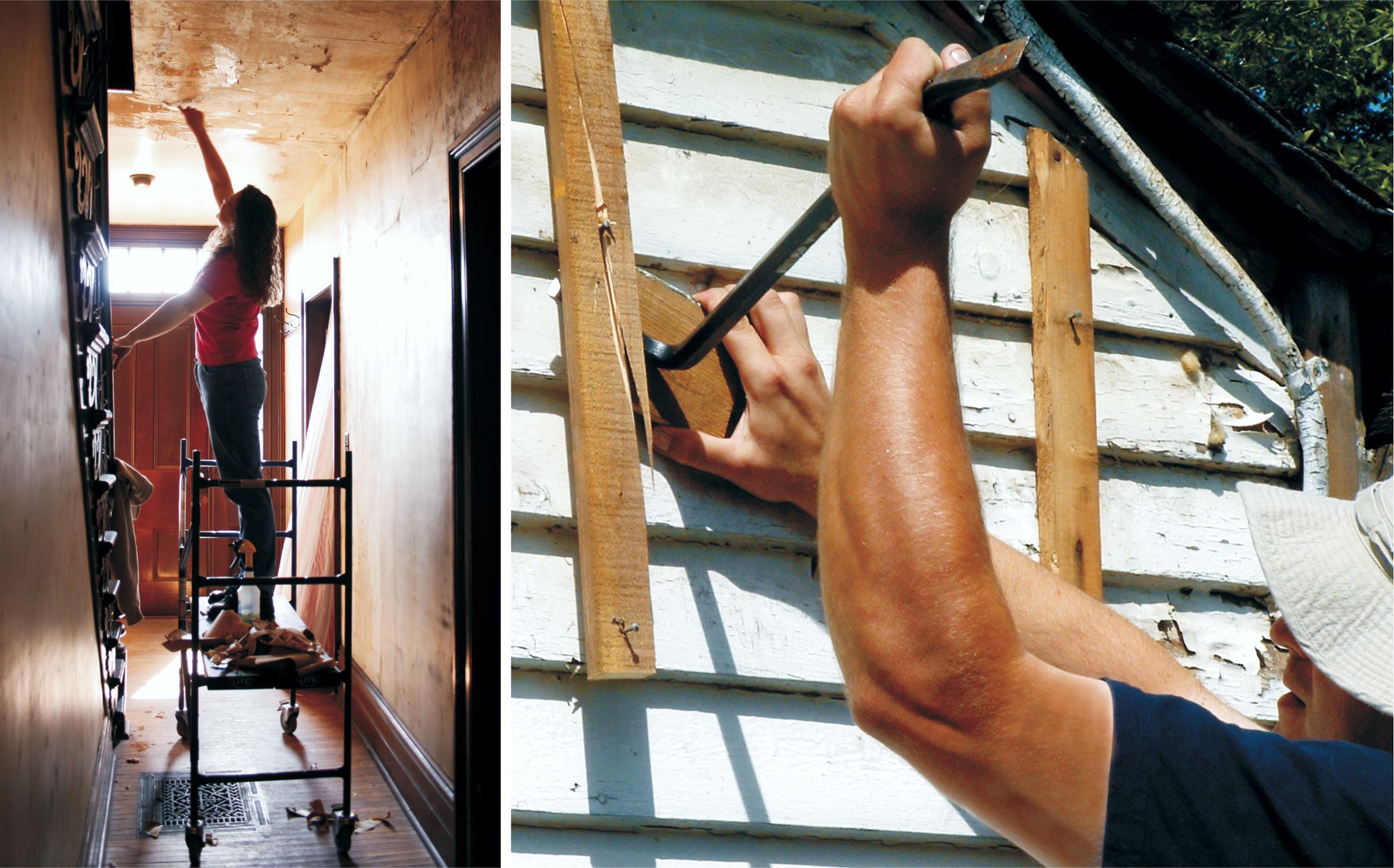
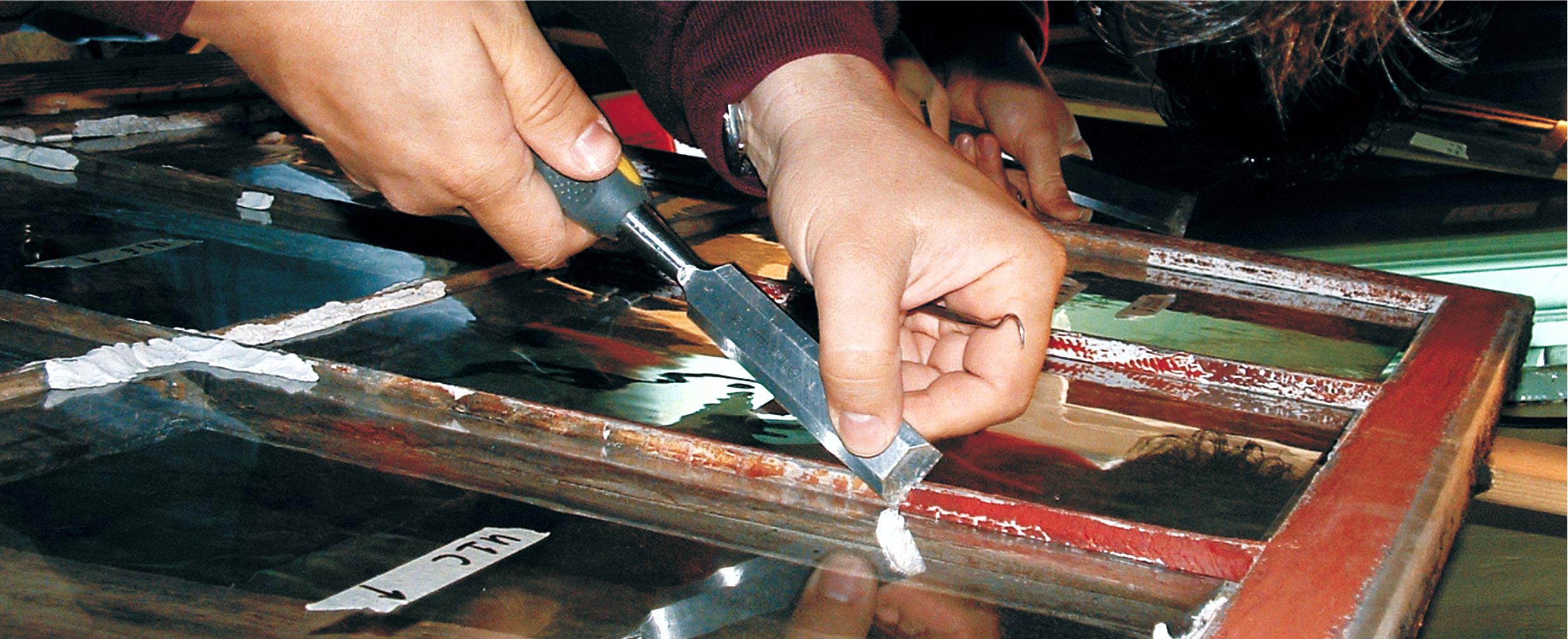
Lets get down to what to look out for on the interior, however I will bring in an important exterior item that should be always first on your list of repair and preservation!
The first thing that needs to be addressed is the structural integrity of the building. Are all beams, sill plates, wood lintels such as the headers over windows, doors and openings over weight bearing walls sound and free from rot or insect infestation?
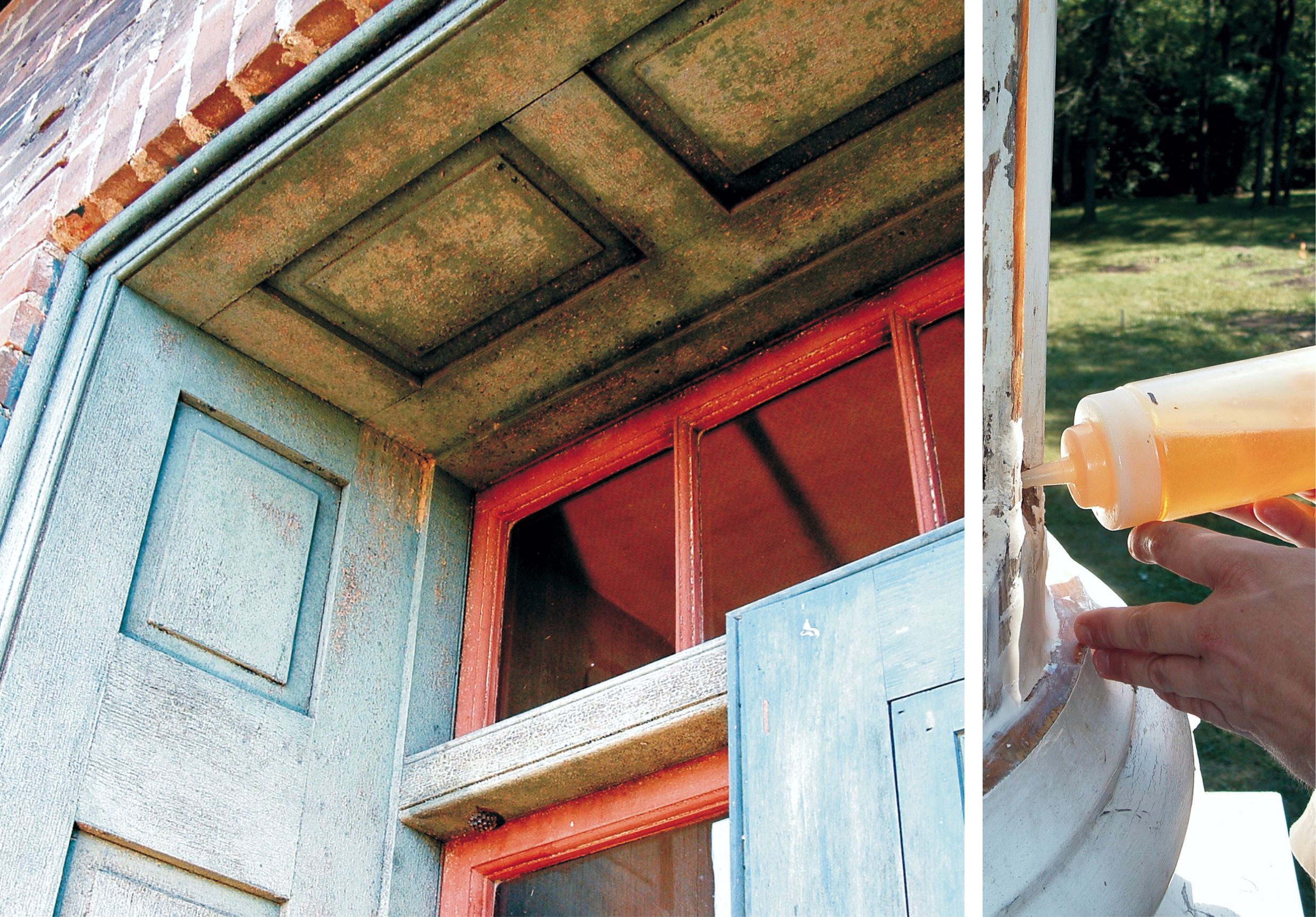
Is there any rot in structural posts where they meet the floor in the basement? Have any floor joists been unceremoniously cut or weakened by such things as plumbing and electrical runs? Have any weight-bearing walls or exterior walls been breached with openings which do not have proper lintels or beams to support the upper floors or structural masonry? Are stairs, guards and railings secured properly? Do they create a hazard?
These and many other structural issues need to be addressed prior to starting any other works. A professional structural engineer can be hired to assess and comment on these issues, and show how they should be remedied.
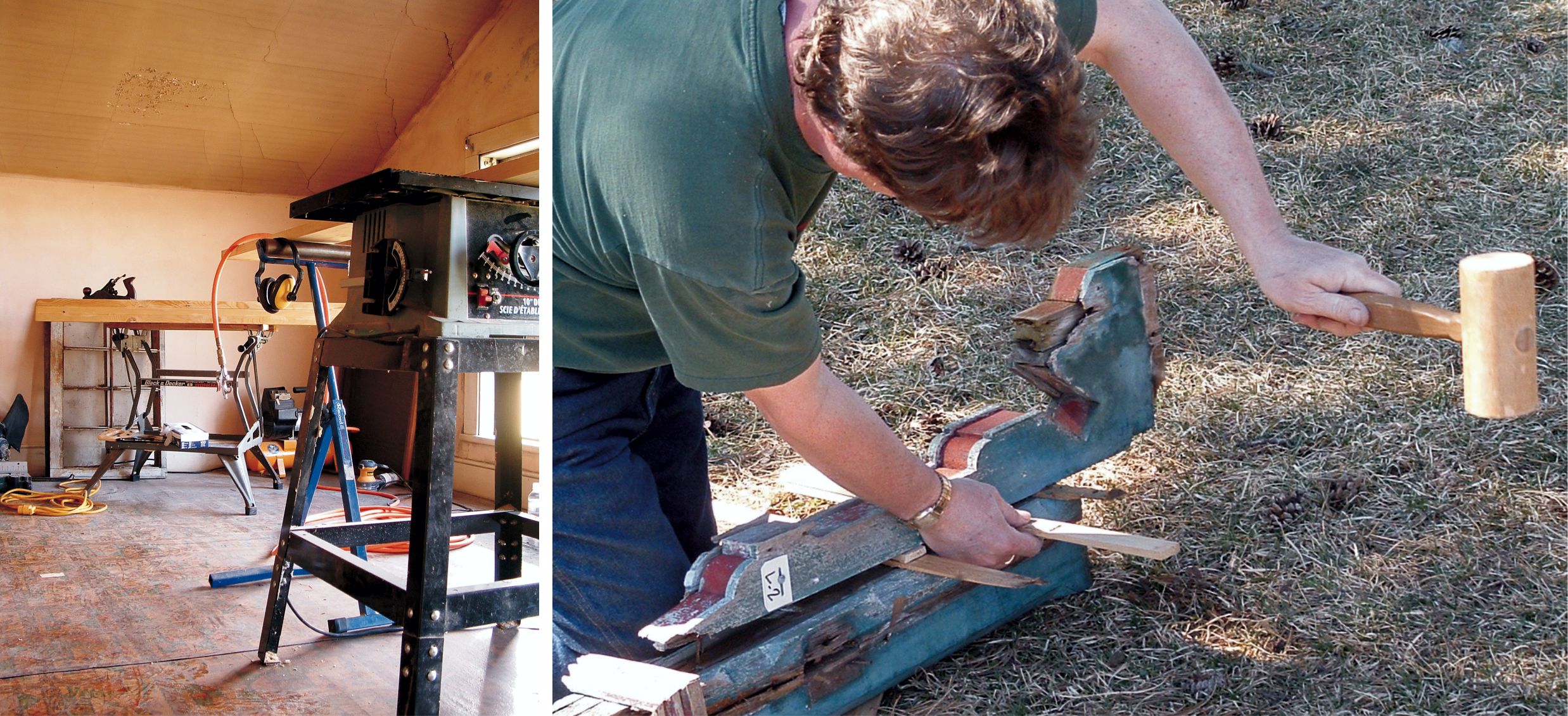
The complete renovation and or preservation of a house can only be accessed by the amount of work there is to do, and to what level of preservation you would like to attain. The exterior of the house should be tackled during the months of good weather. Plan repointing and paint work between the months of June and September. Interior work can be reserved for the winter months or inclement periods, such as right now. Create a calendar or schedule and plot all work needing attention for the period of time you think your work will require. Try to stick to your schedule. You might even want to plan your vacation in order to use it to work on your home.
Once you have taken care of any structural issues and set out your schedule, look at the plumbing, heating and electrical systems. With respect to the plumbing plants, are they adequate? Are there old lead pipes (which are hazards to your health)? Plugged-up galvanized pipes or cracked and leaking cast iron and copper plumbing? Are all fixtures properly vented to the roof? Replace damaged plumbing as necessary and consider how you will address the bathroom and eventually the kitchen. Will you keep and make do with the existing fixtures?
Your best expenditure budget wise, is to replace decaying plumbing and restore the existing fixtures. Remember, if you are looking for a new bathroom, black, green, lavender, pink and powder blue of past fads go into the “what-were-we-thinking files?”. White never goes out of style!

Is the electrical service up-to-date or is it the old glass fuse type or even worst knob and tube. This is a big undertaking and can be costly, get many quotes and make sure they replace any dangerous wiring. In most cases knob and tube isn’t inherently dangerous – it is usually the very odd things people do to the knob and tube wiring during renovation that causes a whole host of bodged up problems.
Since the Middle Ages, les ateliers have gathered masters, apprentices, and students to produce art under the master’s supervision. Since 1983, The Edifice Atelier Institute has been addressing the shortage of skills and knowledge needed to meet the current and future conservation, repair and maintenance requirements of our traditional buildings under the mentorship of Dr. Christopher Cooper Restoration Architect, with well over four decades of hands-on experience in the heritage field.

The vast majority of people in Canada and the United States believe that our historic buildings should be preserved. However, despite the public’s passion for built heritage, the majority don’t understand the specialist skills needed to preserve them.
At a time when the entire construction industry is facing a skills shortage, we have found that there is a lack of skills to repair and maintain our heritage homes and commercial buildings, leaving property owners no other choice but to hire unskilled people.
One of the biggest complaints we have had from heritage property owners is the lack of craftspeople who can or are willing to do smaller projects. To ensure that these crucial skills are not lost and our cherished historic buildings don’t fall into disrepair, a stronger pipeline of skilled talent is needed and it is important that craft skills are developed in addition to the continual promotion of professional skills, as the two skill sets are intrinsically linked to create any successful construction project, no matter how big or small.
It is very important in these times of hyper construction activities that our built heritage is often not repaired, or is maintained incorrectly with modern, unsympathetic techniques. During the past year we have very successfully provided our Heritage Maintenance Program across Canada and the United States to a select group of students. And as of today we are taking new applications for a very small and select amount of students with passion for a heritage consultancy.
The heating systems in old houses are sometimes worn out; however, nothing beats an old cast iron radiator system for warmth and comfort. Most systems fail to work properly because they are not properly leveled, their pressure valves are stuck, and the system has not been filled and bled properly. Replacing an old worn-out boiler and stuck pressure valves may be more cost efficient than tearing out abandoned piping, leaving holes in your floors and tearing up ceilings and walls for duct work.

Inspect the floors for damage and rot, remove floor-boards which were removed for electrical installation when the house was initially electrified, and replace knob and tube system if present. Decide on the finish of the floor, hopefully you will decide on painted floors and simply repair damage with two-part epoxies.
Remember that excessive sanding of old pine floors will make them thin and unsafe. Heavy floor boards on earlier houses make up part of the structural system of the floor, and pine was always, historically, painted! Remember to paint yourself out and down the stairs. The stair should next get attention during your paint journey. Refit any loose rails, newel-posts or balusters.
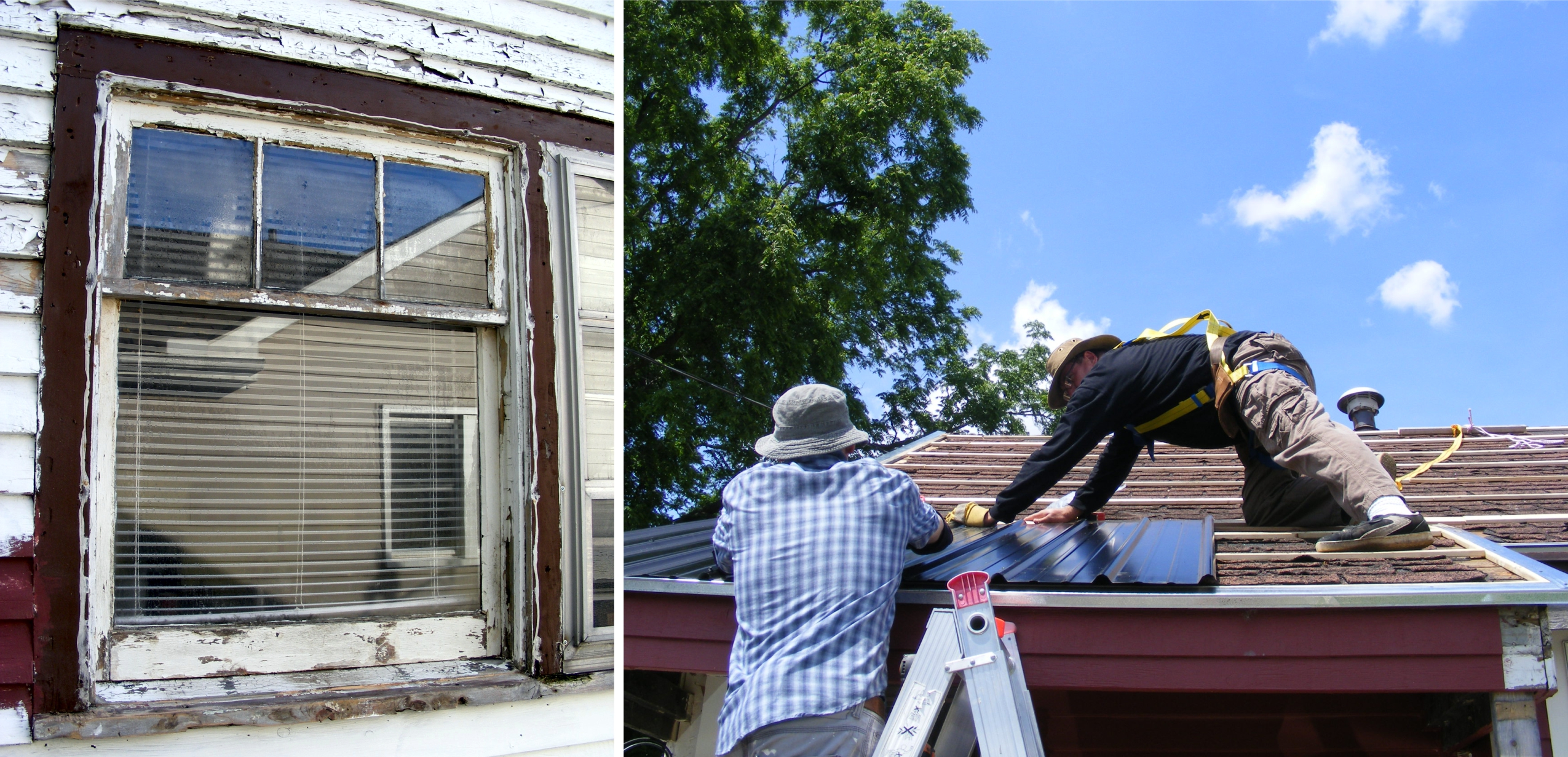
I cannot stress the importance of always beginning with the exterior of the house in the warmer weather and stopping any moisture issues first. Decorating and furnishing your old house is the last thing you should think of: pretty curtains and throw-rugs won’t stop a leaky roof. You should always start with your roof, and install the best roof that you can afford!
You may want hand-split cedar shingles; however, the cost of such a roofing endeavor might not allow you to spend money on other important items in making your house healthy. Moreover a 20-year guarantee on an asphalt shingle roof might last just long enough for the roof to be replaced (10 – 20 years later) with the roof of your dreams. And perhaps you can then afford that roof after you have put the rest of the house into good repair.
Learn How-To Start Your Reno WORKSHOP!
Saturday, January 13, 2024 at 1:00 pm – 4:30 pm+
LIVE ZOOM EVENT with the Old Home Doctor, Dr. Christopher Cooper
Fix-Up Your Old Home! – A new approach to help homeowners get the high quality, research-informed information they need to repair and restore their most valuable possession… their homes!

