Here is a question from Jill in Ontario, Canada
She writes: Hello Dr. Cooper, I’m confused about whether or not I should be using wall plugs when hanging stuff in plaster – i.e. drilling into plaster, not drywall.
There is not a single plug in the home – that is the basis of my enquiry. In fact, while I realize I need to screw into plaster, I’ve found nails in places.
I think I should submit many of these ‘stupid’ questions for consideration for future column – I know how to tackle lots of major and important things (i.e.) stripped and replaced transom window last summer….but not silly annoying and potentially damaging everyday issues.
Just a thought – and, just need to know – cannot find answer anywhere!
A. Hello Jill,
First off, never ever a stupid question when you don’t know!
First you should never hammer nails into a lath and plaster wall, the vibration could knock the keys1 off the plaster, releasing its bond from the wood lath creating a whole new problem to rectify.
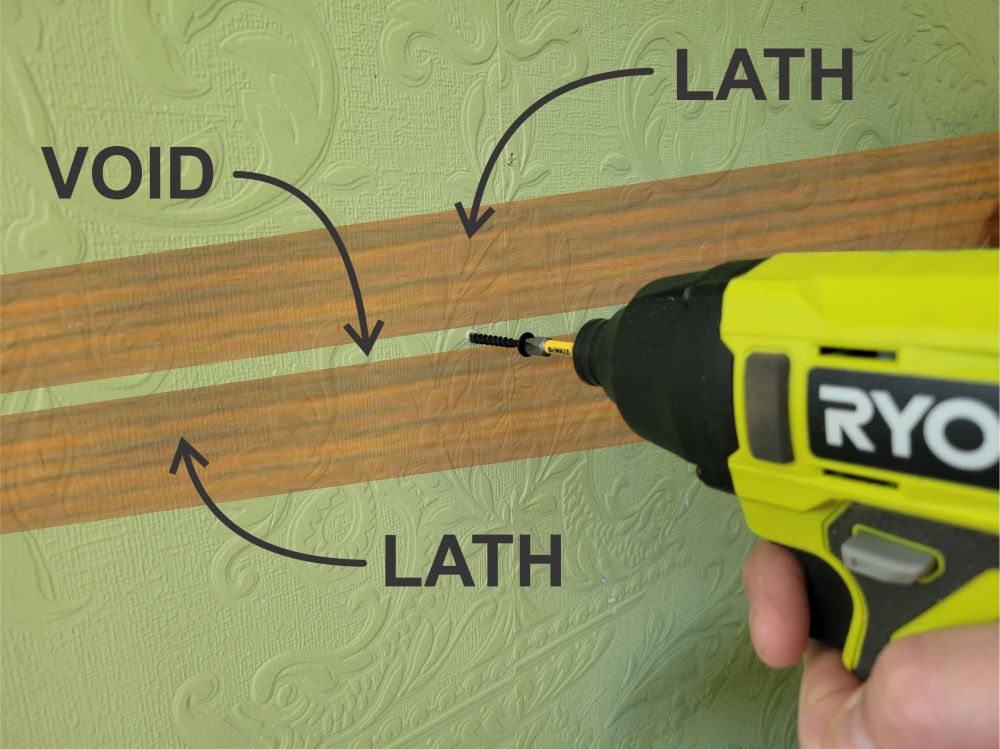
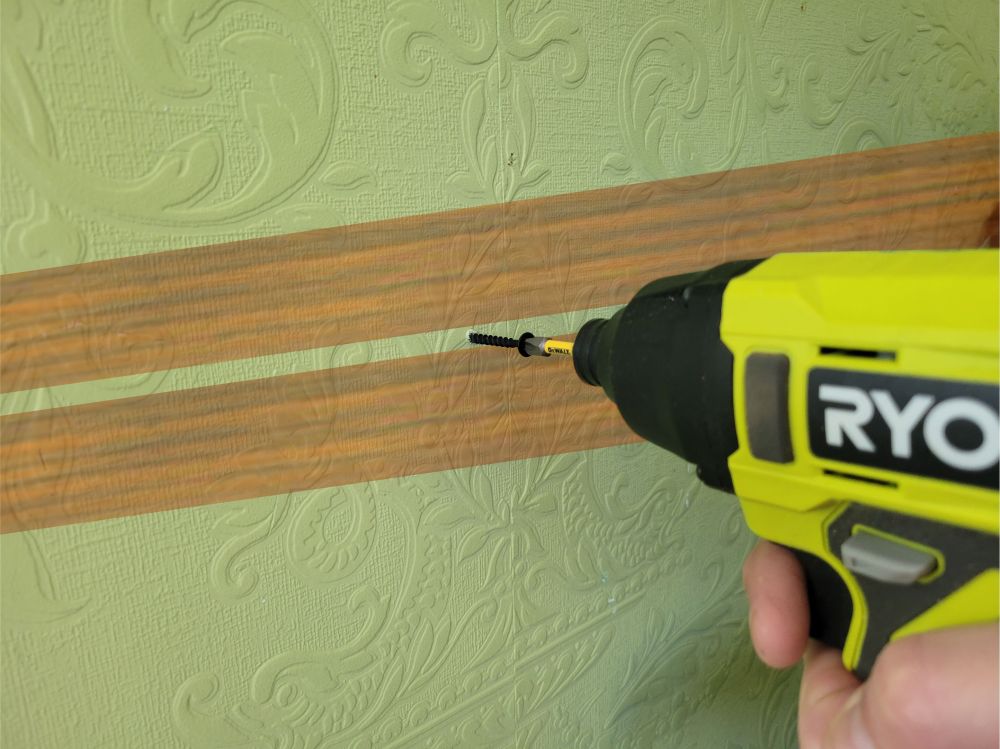
The answer is, if you hit the lath no plug needed, if you run it between the lath you will need a plug. What I am trying to say is that it is hit and miss, the chances of hitting wooden lath is 75% of the time and you can hang a good sized old master on the wall off the screw (that is if the lath is in good shape). Notwithstanding all this, Mr. Murphy’s law has a tendency of kicking in. If you drive a screw and it has nothing behind it or it just spins (a void see image above), you are between two pieces of lath, simply go up or down (vertically) three-quarters of an inch and you should hit wood (i.e. lath). Just take a bit of spackle (Dap DRYDex HERE) and fill the hole where you missed.
And yes always use screws, I use small Number 6 course thread drywall screws as a pilot for a bigger screw, if hanging something heavy, like a mirror – the drywall screw will self tap into thinner half inch Lime plaster without splitting the lath or breaking the plaster, however, you may need a small drill bit for thicker three coat plaster, you will feel a definite difference in pressure when using a drill bit when you run it into the lath, rather than in between, sawdust should be visible on the tip of the bit.
Another thing to remember is try to not use an impact driver – this too can create vibration and break plaster keys1, and cause cracking!
Hope this helps, and I hope this helps you all – keep those letters (emails) coming in (direct email HERE).
I hope you will join me to become inspired on every aspect of bringing charm and function to your traditional home! It is all about quality of materials and craftsmanship… a quality that will stand the test of time, to look as good a hundred years from now as it did when it was first built. Are you in need of a Craftsman to work on your heritage home? Reach out to us HERE
1 When applying the first coat of plaster (scratch coat), it is forced through gaps in the lath, where it sags over the back side and cures to form a “key” that hooks around the wood laths.





Excellent answer, as always. Those of us who live in heritage houses can’t always go to Home Hardware and get advice on the special issues we come across. It’s good to have a knowledgeable person available for questions such as these. Of course, one answer that wasn’t given is what to do in the upstairs of a stone house that has plaster directly on the stone itself. 🙂 That’s an interesting aspect of some old stone houses.
Thank you Robert for your continued support, and kind words!